What is different from a daycare?
- The age gap: a game has to bring together a five-year-old and a ten-year-old.
- Time: between lunch, homework and going home, a game rarely lasts more than twenty minutes.
- Wear: the materials pass through many hands and have to be put away quickly.
- Needs: after school, some children want to move and others want quiet.
Which board games?
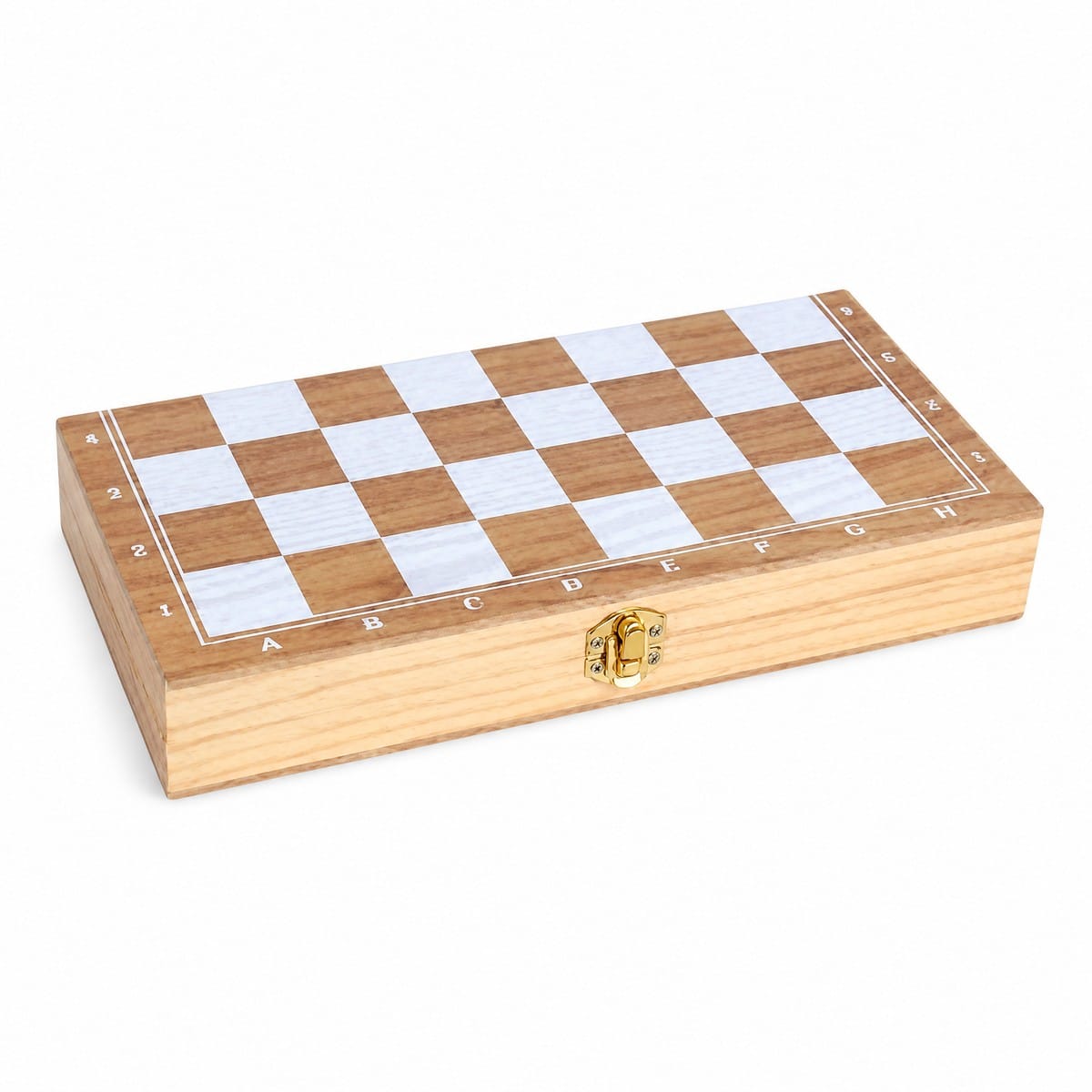
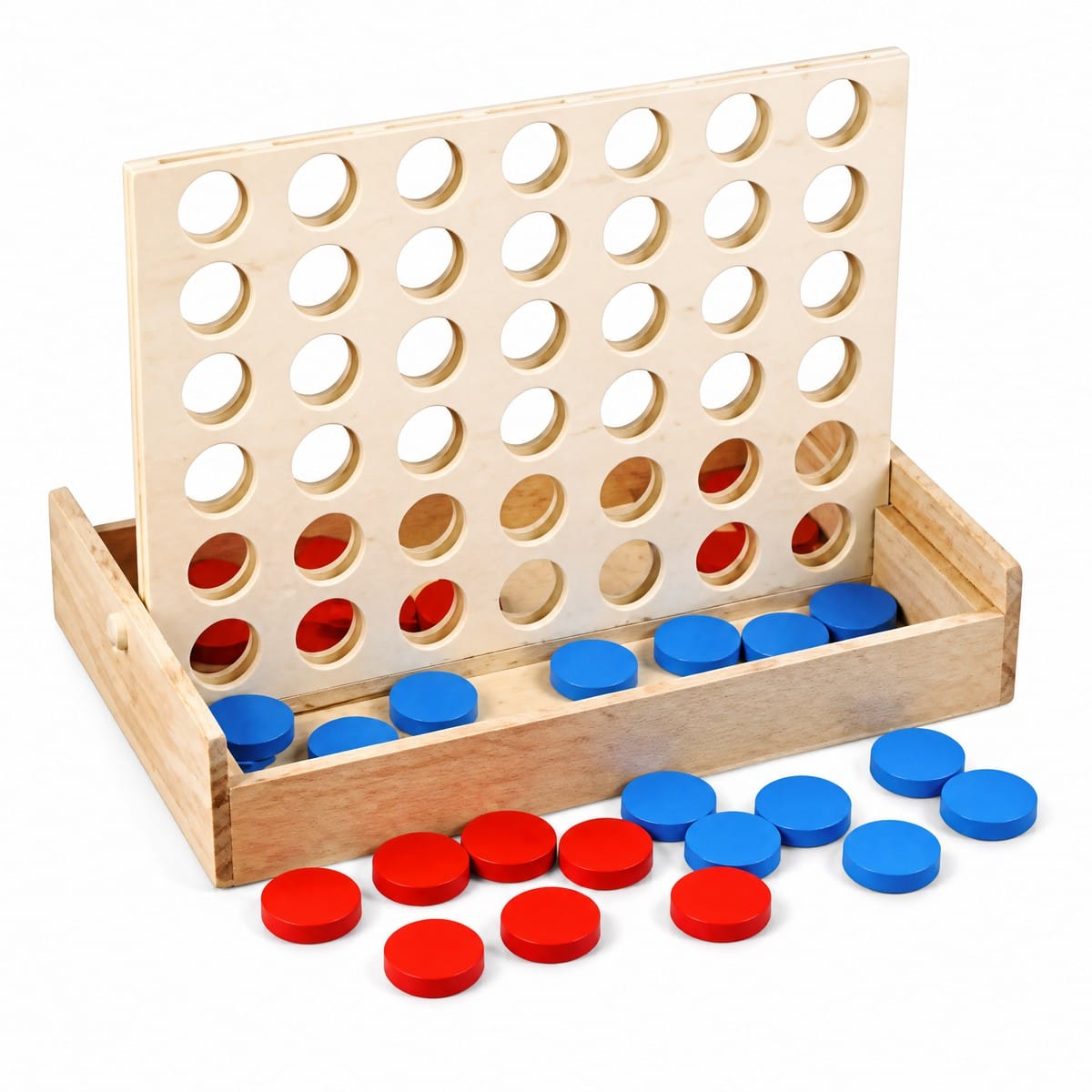
Classics whose rules children already know or learn in one game: chess, four in a row, a memory game. They are played in pairs, which suits quiet moments, and older children readily teach them to younger ones.
Which skill games?
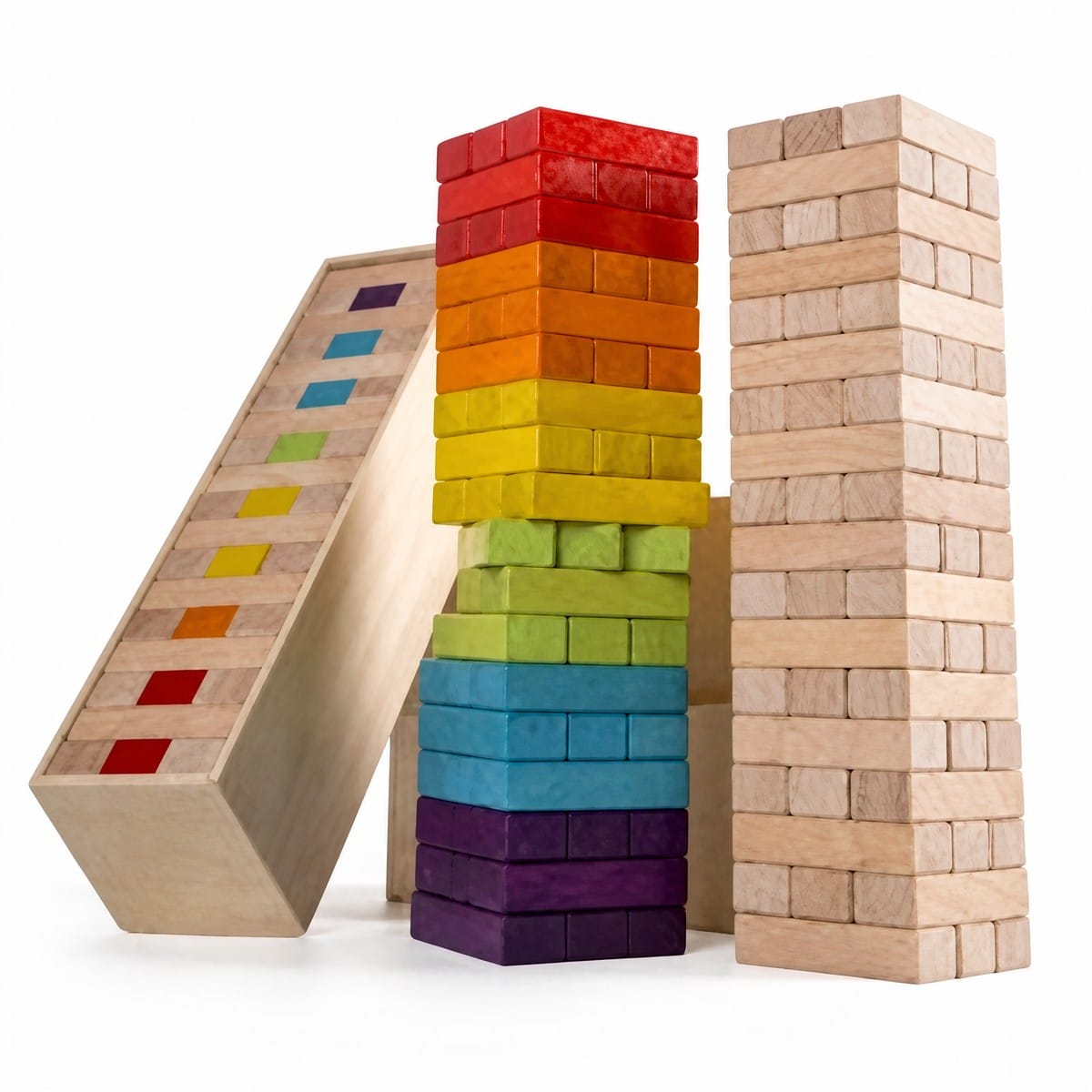
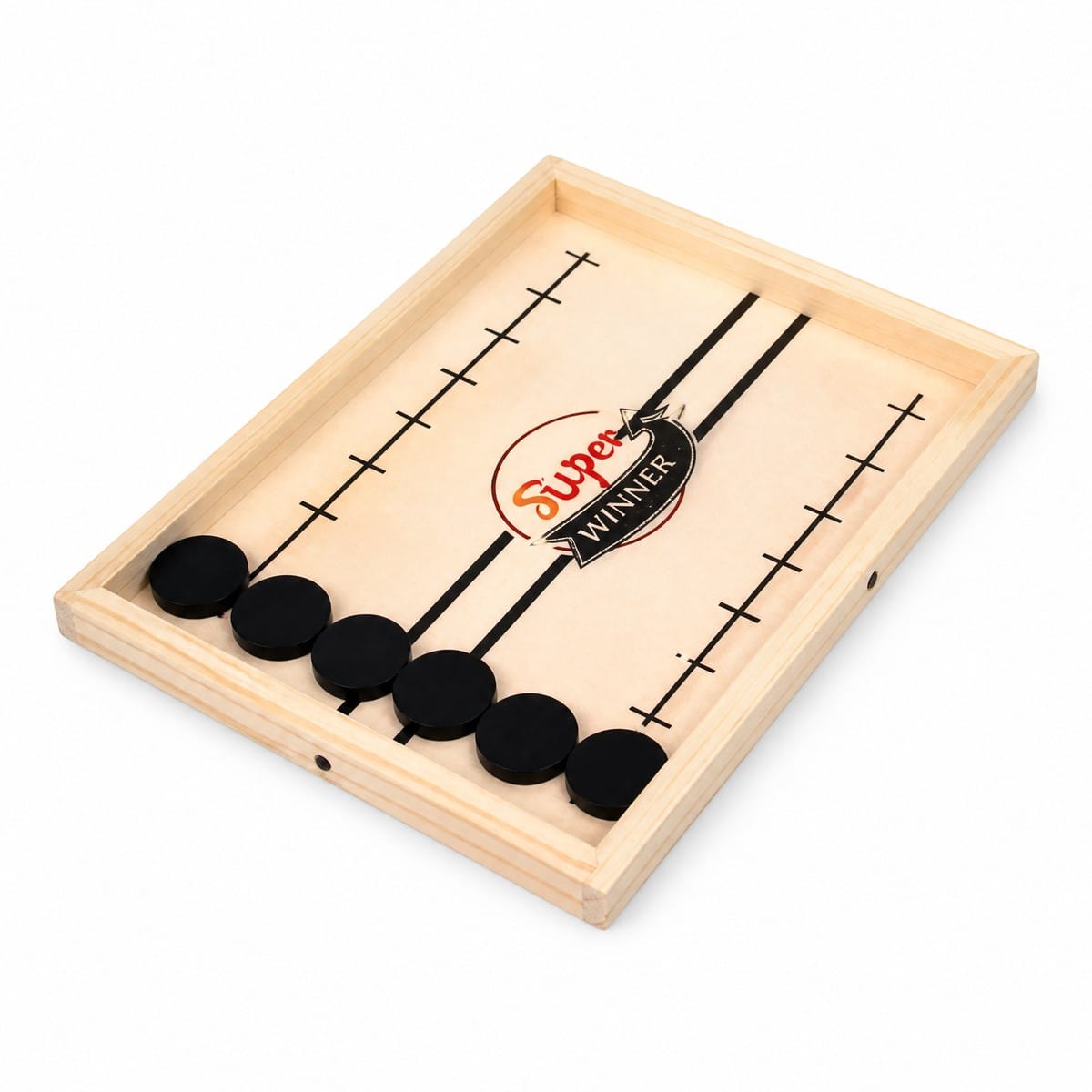
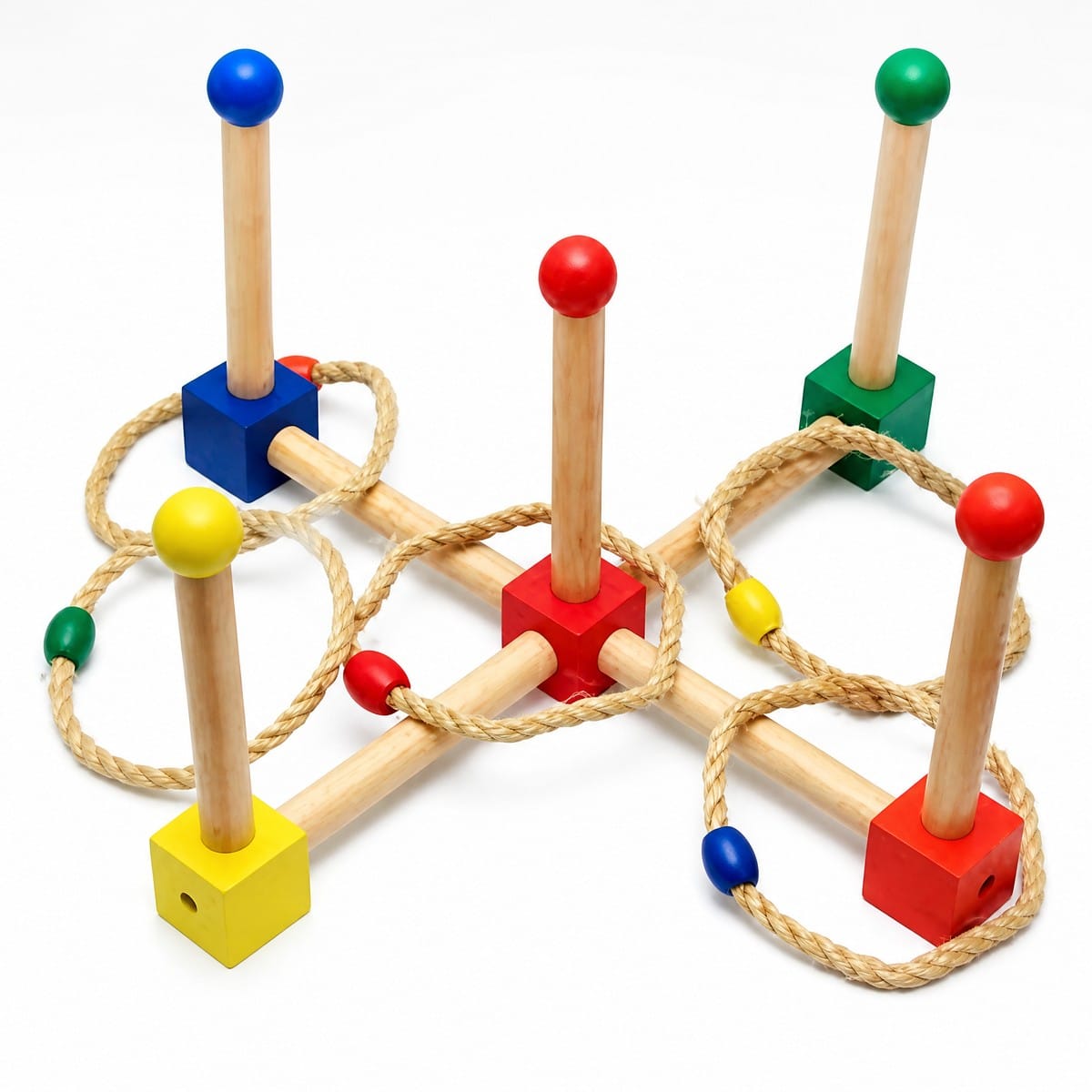
Those that are quick and make children laugh: tumbling tower, elastic puck game, ring toss. Games are short, children can join and leave, and age gives little advantage.
What about construction?
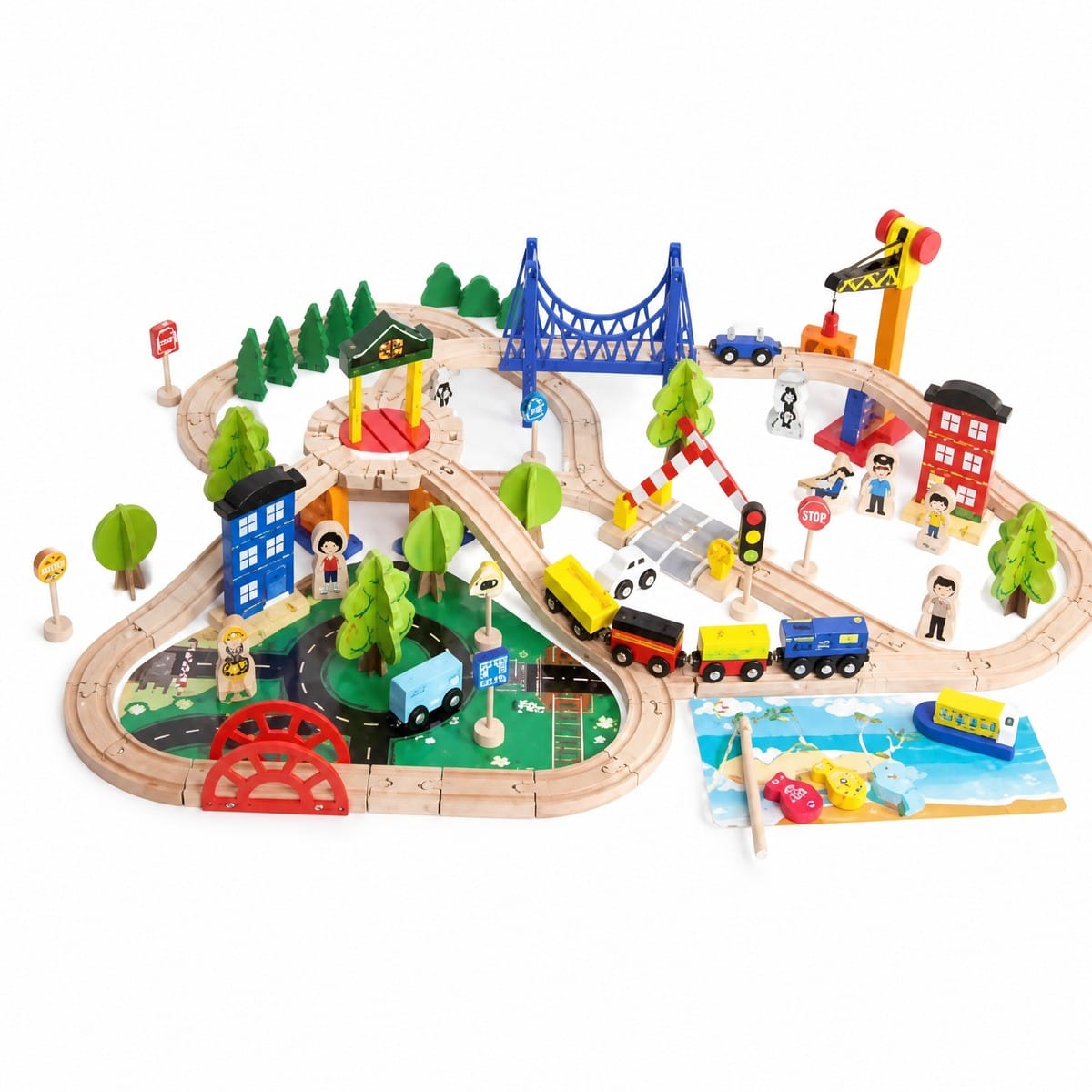
It is the activity that best brings ages together. Building planks in large numbers or a train set occupy a whole group, and the construction can stay up until the next day. Set aside a rug or a table for it.
What can you offer children who want quiet?
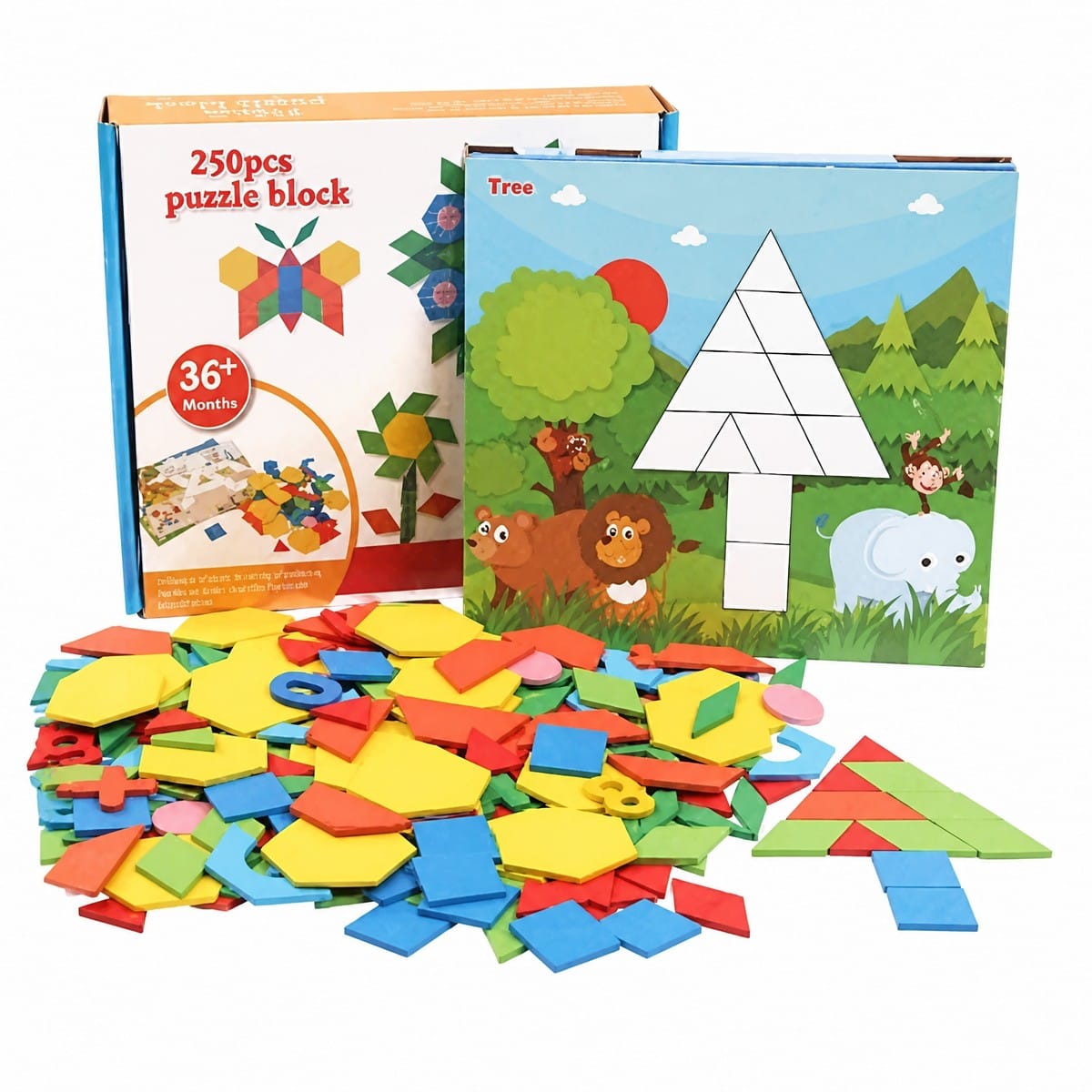
- Mosaics and tangrams, alone or in pairs.
- A large puzzle left in progress on a table.
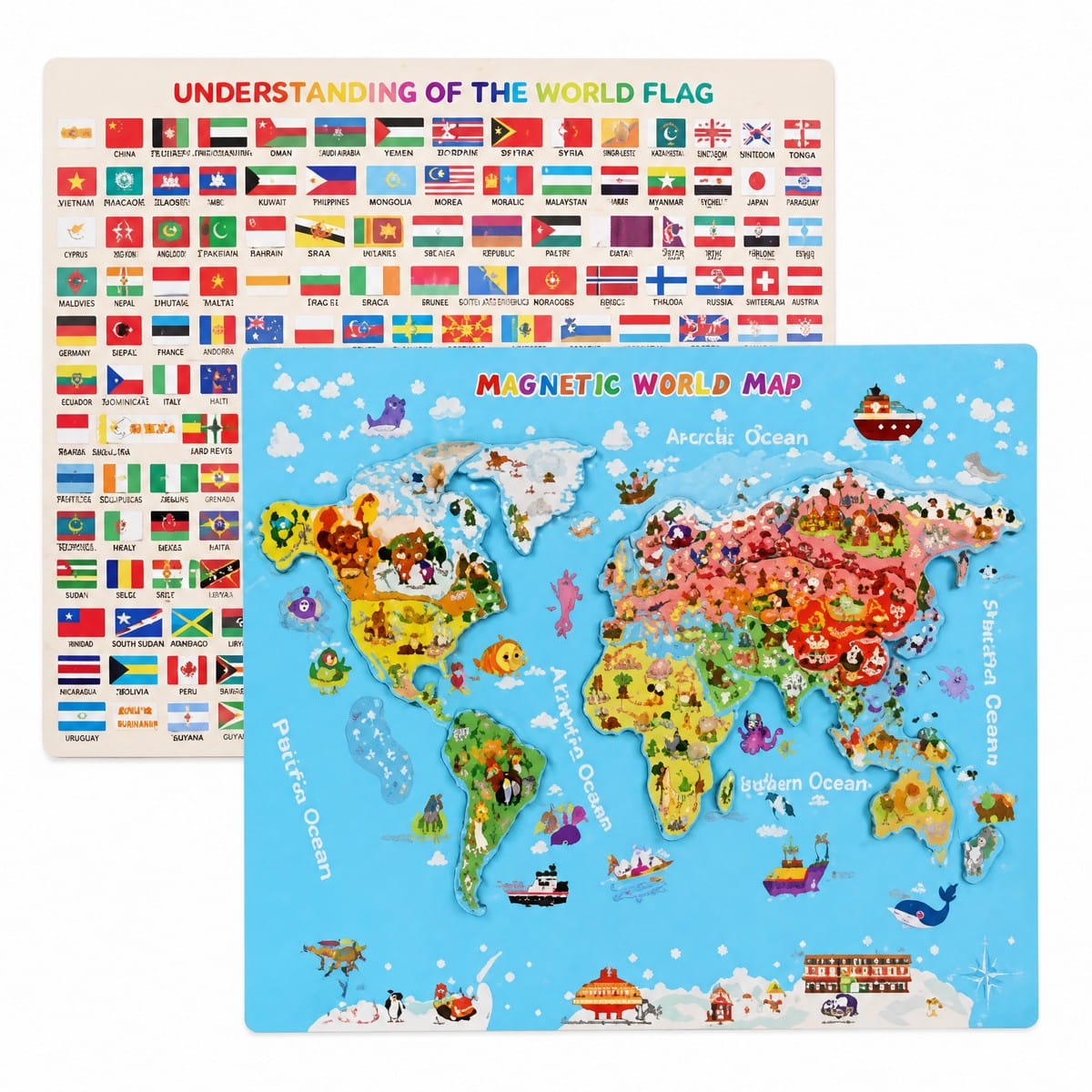
- A world map puzzle.
- An easel and drawing materials.
How should the materials be organised?
Freely accessible on open shelves, with one simple rule: put a game away before taking another. Check the pieces once a week. An incomplete game is no longer used, and children stop taking care of it.